
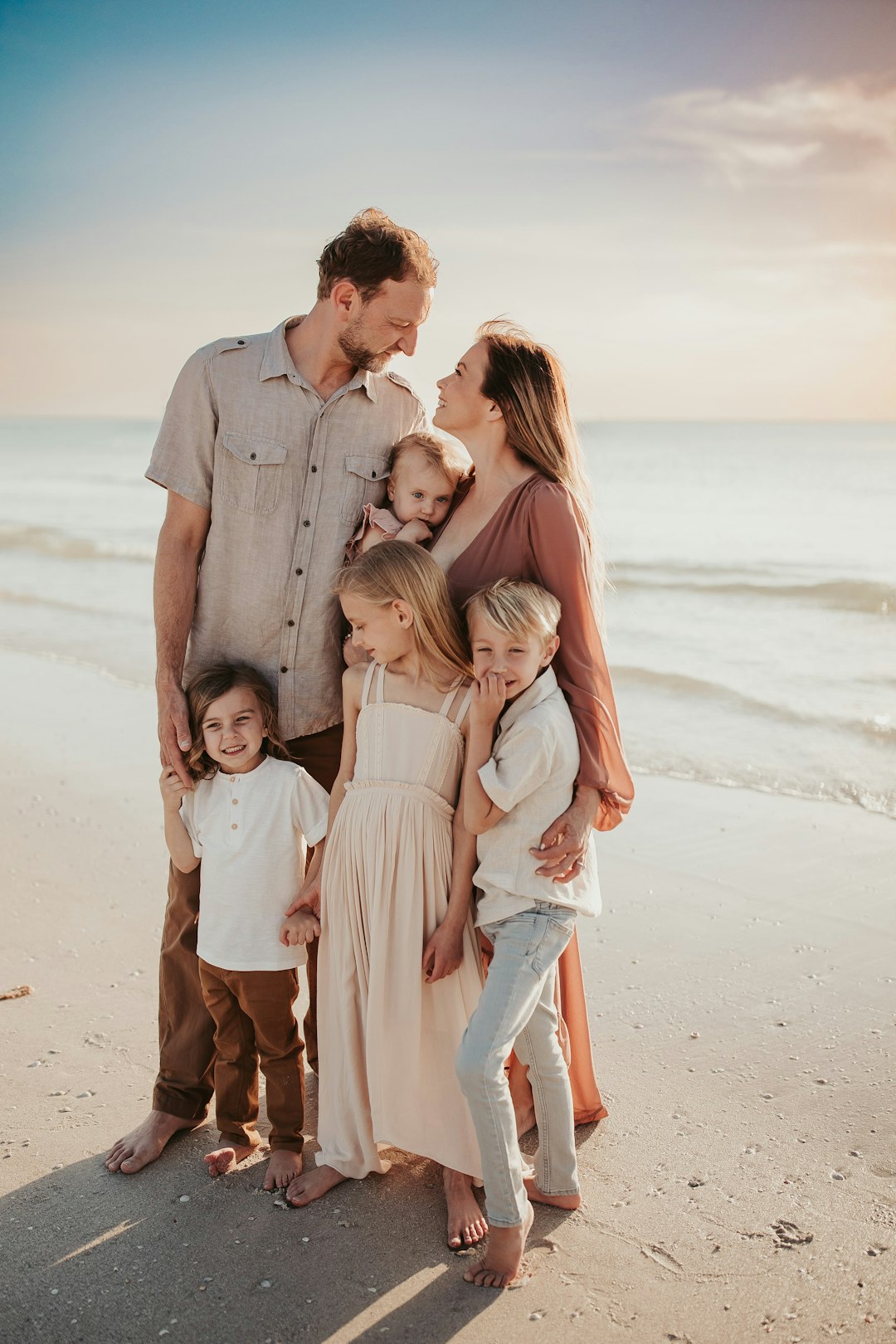
Wedding photography represents one of the most challenging and rewarding photography specializations. You have one opportunity to capture irreplaceable moments on one of the most important days in a couple's life. The pressure is immense, but with proper preparation and technique, you can deliver stunning results that couples will treasure forever. Here are ten essential tips that will help you excel at wedding photography.
1. Conduct Thorough Pre-Wedding Consultations
Success in wedding photography begins long before the wedding day. Schedule comprehensive consultations with couples to understand their vision, preferences, and expectations. Discuss their photography style preferences, showing portfolio examples to ensure alignment. Some couples prefer traditional posed portraits, while others want documentary-style candid photography. Understanding these preferences prevents disappointment and ensures you deliver images matching their vision.
During consultations, ask about important family dynamics, special relationships, and must-have shots. Learn names of key family members and wedding party participants. Understanding family situations helps you navigate potentially sensitive dynamics diplomatically. Discuss the wedding day timeline in detail, identifying optimal times for different types of shots. This preparation allows you to plan your coverage strategy effectively.
Visit ceremony and reception venues before the wedding day when possible. Scout locations, identify best shooting angles, and assess lighting conditions. Understanding venue layouts helps you position yourself optimally during key moments. Note any photography restrictions venues impose, such as ceremony restrictions or flash limitations. This advance knowledge prevents awkward situations on the wedding day.
2. Create a Comprehensive Shot List
Develop detailed shot lists collaboratively with couples, ensuring you capture all their desired images. While experienced wedding photographers know standard shots, every couple has unique requests reflecting their relationships and priorities. Document these specific requests carefully to ensure nothing important gets overlooked during the busy wedding day.
Organize shot lists chronologically, matching the wedding day timeline. Group similar shots together for efficiency, such as family portraits or couple portraits. Share this list with the couple and designated family coordinator who can help gather people for group photos. Having someone assist with organizing family portraits saves valuable time and reduces stress.
Balance planned shots with flexibility for spontaneous moments. While shot lists ensure comprehensive coverage, the most memorable wedding photos often happen spontaneously. Maintain awareness of your surroundings, ready to capture unexpected emotional moments, interactions, and candid expressions that tell the authentic story of the day.
3. Always Have Backup Equipment
Equipment failure during a wedding is unacceptable, making backup gear essential. Carry at least two camera bodies, ensuring you can continue shooting if one fails. Having dual cameras also allows you to keep different lenses mounted, enabling quick transitions between wide-angle and telephoto shots without changing lenses during critical moments.
Bring multiple lenses covering various focal lengths. Essential lenses include a wide-angle for venue and group shots, a standard zoom for versatility, and a telephoto for ceremony and candid moments. Fast prime lenses excel in low-light reception conditions. Extra batteries, memory cards, and flash units ensure you never run out of essential supplies during crucial moments.
Maintain your equipment meticulously, cleaning and testing everything before each wedding. Charge all batteries fully the night before, and format memory cards to ensure they function properly. Pack a simple toolkit with small screwdrivers, lens cleaning supplies, and emergency items like gaffer tape. Being prepared for any situation demonstrates professionalism and ensures seamless coverage.
4. Master Low-Light Photography
Wedding receptions typically feature challenging low-light conditions requiring advanced technical skills. Understanding your camera's high ISO performance allows you to shoot in available light when appropriate. Modern cameras handle high ISOs remarkably well, but knowing your equipment's limits prevents unusable images with excessive noise.
Learn to use flash effectively without creating harsh, unflattering lighting. Bounce flash off ceilings and walls to create softer, more natural-looking illumination. Use off-camera flash techniques for more sophisticated lighting when time permits. Balance flash with ambient light to maintain atmosphere while ensuring sufficient exposure on your subjects.
Fast lenses with wide maximum apertures prove invaluable during receptions and ceremonies in dimly lit churches. Lenses with f/1.8 or f/2.8 maximum apertures gather significantly more light than slower alternatives, allowing faster shutter speeds that freeze motion and reduce blur. Invest in quality fast lenses for wedding photography success.
5. Capture Candid Moments
While posed portraits have their place, candid photography captures authentic emotions and genuine interactions that make wedding photos truly memorable. Develop skills in anticipating moments before they happen, positioning yourself to capture emotions as they unfold naturally. Watch for meaningful glances between couples, joyful interactions among guests, and emotional reactions during speeches.
Use longer lenses to photograph candid moments from a distance without disrupting natural interactions. When subjects forget the camera's presence, their expressions and body language become more authentic and emotionally resonant. These unguarded moments often become couples' favorite images, as they capture the true spirit and feeling of their wedding day.
Balance candid photography with awareness of your presence and impact. Move discreetly, avoiding blocking guests' views during ceremonies or important moments. Silent shutter modes minimize distraction in quiet moments. Your ability to capture beautiful images while remaining unobtrusive demonstrates true professional skill.
6. Work Efficiently With Couples
Couple portrait sessions require efficiency and effectiveness, as wedding day timelines rarely allow extended photography sessions. Plan portrait locations in advance, identifying spots with beautiful backgrounds and flattering light. Scout locations during venue visits, noting backup options in case of weather changes or unexpected circumstances.
Direct couples clearly and confidently, providing specific posing guidance rather than vague instructions. Most couples feel awkward in front of cameras, and clear direction helps them relax and look natural. Demonstrate poses when necessary, and provide positive encouragement. Creating a comfortable, fun atmosphere produces more relaxed, genuine expressions in portraits.
Work quickly without appearing rushed. Have a mental shot list for couple portraits, efficiently moving through various poses and locations. Aim to complete couple portraits within 20-30 minutes, allowing couples to return to enjoying their celebration. Quick efficiency prevents couple fatigue and maintains energy in portraits.
7. Understand Wedding Day Timeline
Weddings follow general timelines, but each celebration is unique. Understanding the specific timeline for each wedding ensures you're positioned correctly for important moments. Discuss timeline details thoroughly during pre-wedding consultations, and request a copy of the detailed schedule from wedding planners or coordinators.
Build buffer time into your arrival schedule, arriving earlier than necessary to handle unexpected delays or last-minute changes. Use extra time to scout locations, test lighting, and photograph detail shots of rings, invitations, flowers, and decorations. These detail shots add valuable diversity to wedding albums.
Communicate with other vendors, particularly wedding planners, videographers, and DJs. Coordination ensures you don't miss important moments and prevents vendors from interfering with each other's work. Professional collaboration creates better results for everyone and smoother experiences for couples.
8. Tell the Complete Story
Comprehensive wedding coverage extends beyond ceremony and couple portraits. Document the entire day, capturing preparation, details, venue ambiance, guest interactions, and reception activities. These varied images combine to tell the complete story of the wedding day, providing couples with rich visual memories.
Photograph details couples invested time and resources selecting: invitations, flowers, decorations, table settings, and personal touches. These detail shots add context and completeness to wedding albums. Capture venue exteriors and interiors, showing the setting where memories were made. Wide environmental shots provide context for tighter portraits and candid moments.
Include guests in your coverage, not just the couple and wedding party. Photograph guests enjoying themselves, interacting, and celebrating. These images often hold special meaning for couples, documenting who shared their important day and how people celebrated with them.
9. Manage Family Portraits Effectively
Family portraits often become stressful wedding day segments without proper planning and execution. Create detailed lists of desired family groupings during pre-wedding consultations. Designate a family member or wedding planner to help gather people for each grouping, as you may not know everyone by sight.
Work systematically through family portraits, starting with largest groups and removing people for smaller groupings. This approach proves more efficient than building groups incrementally. Announce each grouping clearly and loudly, ensuring everyone hears and responds. Move quickly but not frantically, maintaining professional composure that keeps subjects calm.
Choose portrait locations carefully, considering background aesthetics and lighting quality. Position groups where lighting flatters faces without harsh shadows or squinting. Arrange people at varying heights for visual interest, and ensure everyone's face is visible. Take multiple frames of each grouping to ensure at least one image where everyone looks their best.
10. Develop Efficient Post-Processing Workflow
Wedding photography doesn't end when the celebration concludes. Efficient post-processing workflows ensure timely delivery of finished images. Begin by backing up all wedding images to multiple locations immediately after the event. Data loss is catastrophic, making redundant backups essential.
Develop consistent editing styles that enhance images while maintaining natural, timeless aesthetics. Extreme editing trends fade quickly, potentially dating wedding photos. Classic, elegant processing ensures images remain beautiful for decades. Create presets for common adjustments, streamlining your editing process without sacrificing quality.
Cull images carefully, selecting the best shots while eliminating duplicates and technically flawed images. Deliver a curated collection of excellent images rather than overwhelming couples with thousands of mediocre shots. Quality trumps quantity in wedding photography deliverables. Aim to deliver finished images within four to six weeks, meeting or exceeding the timeline promised to couples.
Conclusion
Wedding photography demands technical skill, artistic vision, interpersonal abilities, and meticulous planning. By implementing these ten essential tips, you'll be well-equipped to handle wedding photography's unique challenges and deliver stunning results. Remember that every wedding is unique, requiring flexibility and adaptability alongside solid foundational skills. Continue learning, refining your techniques, and developing your artistic voice to create wedding photographs that couples will treasure for lifetimes.